




A correctly established lawn is a beautiful showcase for the entire property. It is healthy, even, and strong, with a lush green colour. How to achieve such an effect? First of all, you should approach it sensibly and choose the right time for sowing grass. Even the best seeds sown in properly prepared soil will not be able to grow correctly if they are put into the ground at the wrong time. So, when is the best time for sowing grass? You will find out from the article below!
Spring sowing
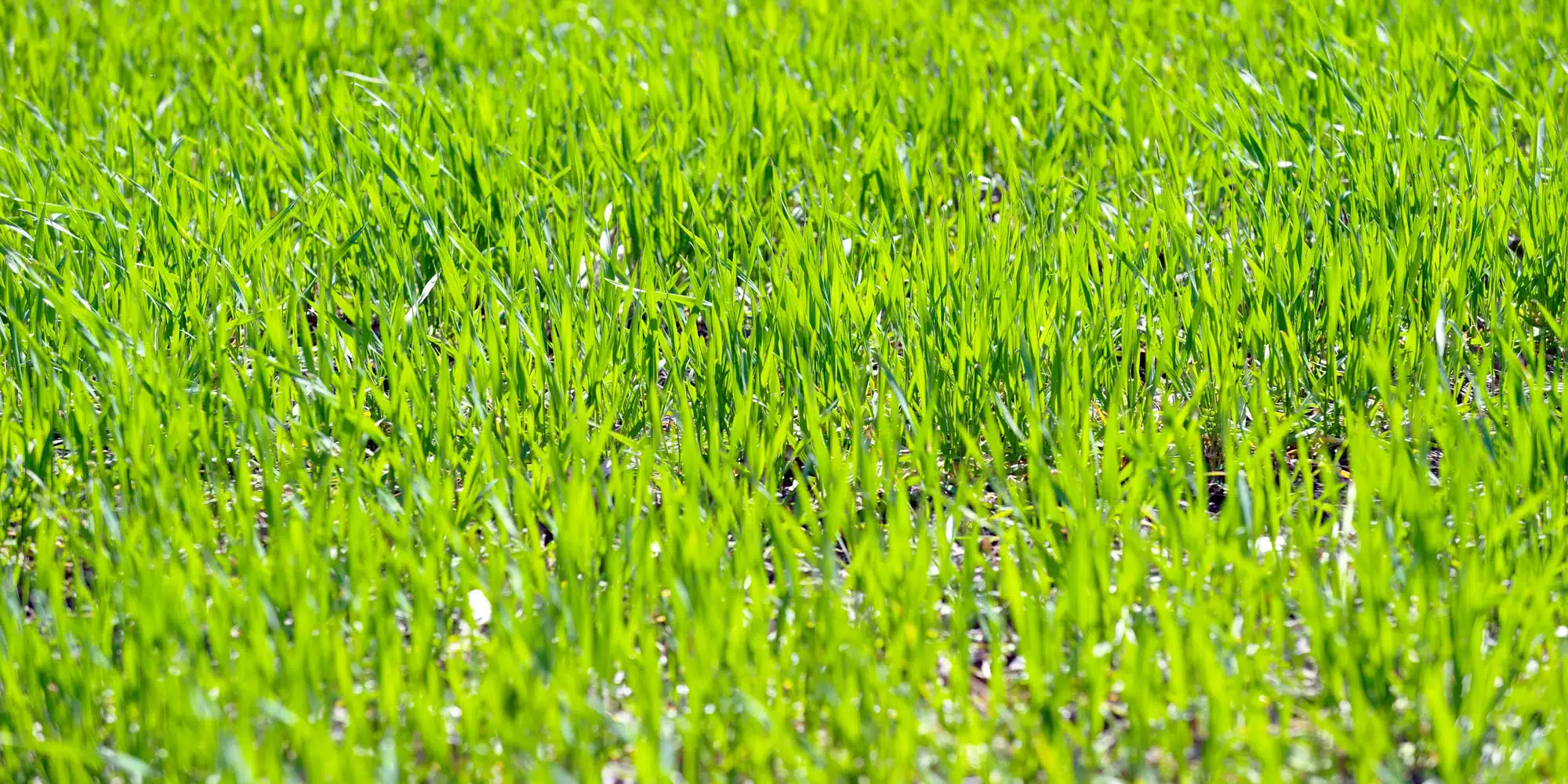
Most often, lawn sowing is carried out in April and May. There should no longer be frosts, but the seeds are also not threatened by heatwaves. It is in these months that soil moisture is optimal and the temperature is suitable for the seeds to start germinating. Grass sown in spring has enough time to spread and strengthen. Thanks to this, it will be properly prepared for summer heat and winter temperatures. Therefore, the period from April to the end of May is optimal for sowing grass. Of course, everything depends on the weather in a given season!
Can you sow grass in summer?
Essentially – you can. However, it is a rather risky idea. High temperatures and intense sun can damage the grass, as young blades are very sensitive to high temperatures. What is more, a freshly established lawn requires proper lawn watering. In the summer months, it would have to be watered even twice a day! Therefore, summer sowing of grass is not recommended, as it involves a lot of work and uncertain results.
Sowing a lawn in autumn
If you did not establish a lawn in spring and did not want to risk summer sowing, can you sow grass in autumn? Absolutely! Interestingly, some experts consider the period from September to October to be the most appropriate. This is a time when there are no more heatwaves, but it is still warm. What is more, autumn rains will help ensure proper hydration, and winter frosts are far enough away that the grass will have time to take root properly. However, autumn sowing should not be carried out too late, as the turf may freeze in places.
Repairing a damaged lawn
Repairing a damaged lawn follows similar principles. It is most often done in spring, in April or May, when damage or gaps are perfectly visible after winter. Of course, you can carry out oversowing at any time during the growing season, excluding the hottest weeks.
Remember that when sowing grass, not only the timing matters, but also the type of seeds. In the case of filling gaps, it is best to choose a seed mix that is as close as possible to the grass growing on the turf. If you do not know which grass species grow in your garden, it is best to choose an all-purpose lawn seed mix. If you are establishing a lawn from scratch, you can choose any grass seed. However, it is worth basing their choice not only on personal preferences but also on the soil and environmental conditions in your garden.
Sowing grass – tips and advice
Remember, however, that regardless of whether you are filling gaps or establishing a lawn from scratch, you should follow a few tips, universal for both spring and autumn sowing. First of all, the ground for the lawn should be properly prepared, cleaned, and compacted. Sowing should be carried out on a windless day, preferably using a spreader. Thanks to this, the seeds will fall evenly, and the grass will grow even and uniform. If you only have a small area to sow, you can use a hand spreader. However, if you are working on a larger area, it is worth opting for a rotary spreader. As soon as you sow the seeds, water the entire lawn abundantly.
If you need more comprehensive information on establishing a lawn, you can find it in this article!
Laying turf
A specific method of establishing a lawn is laying turf. Here you don’t actually sow anything – you only use grass that someone else sowed several months ago. Consequently, you can lay it at virtually any point in the growing season – until November. Just avoid laying grass during the hottest weather. For the grass to take hold, it should “bond” with the ground – this will not happen if it is completely dry. During high heat, even watering in the morning and evening may not be enough – the soil will start to dry out during the day.