


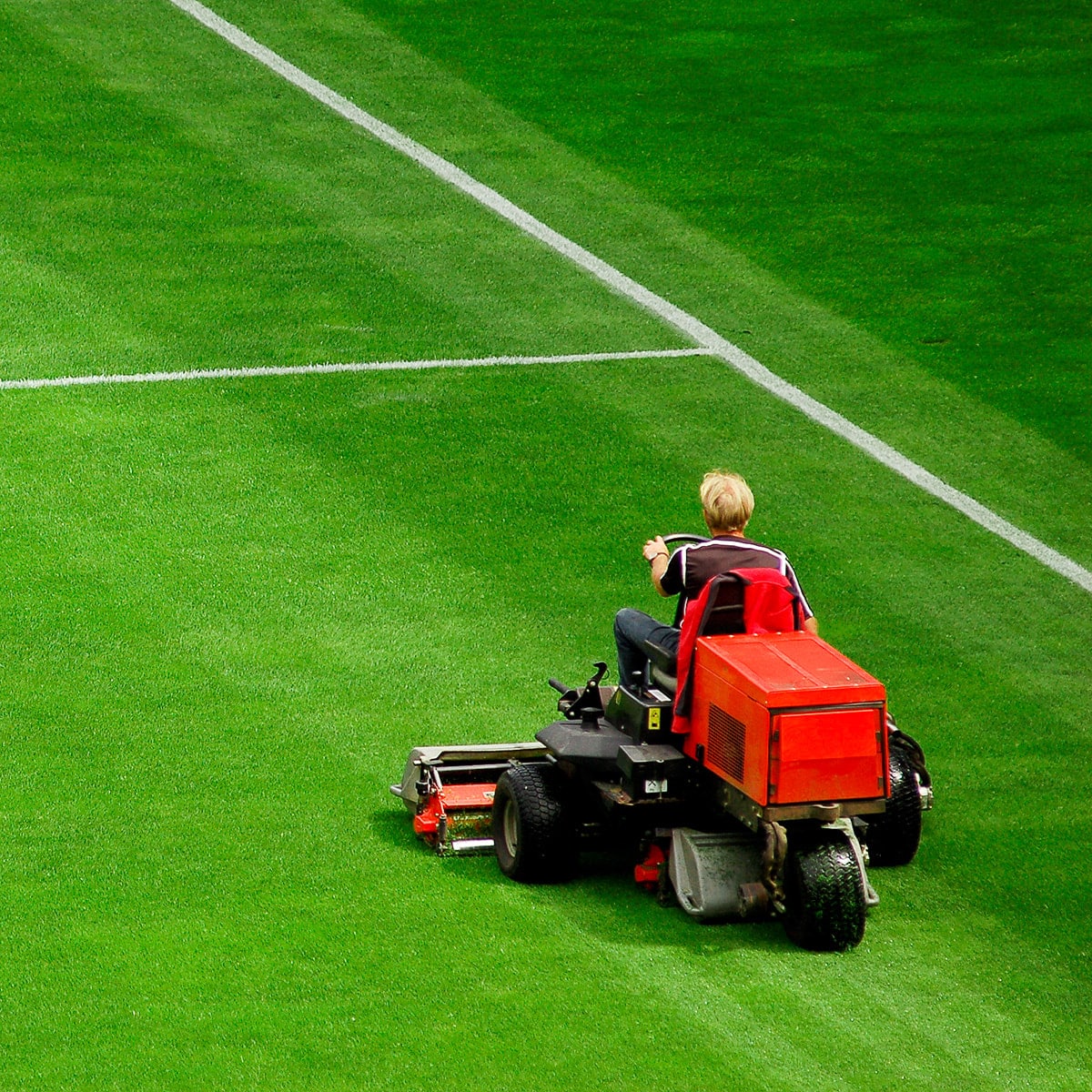




Sports Lawn Seed Mix – Pro Performance – Mr. Green Grass®
Price range: £29,95 through £55,95 Results or money back
- Strong turf resistant to trampling and low mowing
- Quick recovery from damage
- Composition containing grass seed of the highest quality
- Ideal for sports pitches and back gardens
- Efficient packaging covers a large area (only 20 g/m²)
Sports Lawn Seed Mix – Pro Performance – Mr. Green Grass®
If you are looking for a grass seed mix that will help you achieve the perfect turf resistant to intensive use, fast-growing and dense, then Sports Lawn Seed Mix – Pro Performance – Mr. Green Grass® is an excellent choice. This new seed mix combines two key grass species: Smooth-stalked meadow-grass and perennial ryegrass, which guarantee an aesthetic and durable lawn.
Smooth-stalked meadow-grass is a species valued for its ability to form a dense turf and its resistance to intensive use. Thanks to its strong root system, smooth-stalked meadow-grass ensures lawn stability and resistance to damage, and it also tolerates low mowing well, making it an ideal choice for sports pitches and gardens.
Perennial ryegrass is a grass characterised by incredibly fast germination and recovery. It is perfect for areas requiring intensive use, as it quickly thickens the turf and ensures a healthy appearance. Thanks to its flexibility and durability, it is indispensable for recreational lawns and sports pitches.
The combination of these two species in the Sports Lawn Seed Mix – Pro Performance – Mr. Green Grass® makes your lawn exceptionally durable, dense and green throughout the season. It is the ideal choice for those looking for grass with high resistance and an aesthetic appearance.
How to sow and maintain a pitch or a lawn with Sports Lawn Seed Mix – Pro Performance – Mr. Green Grass®?
Sports Lawn Seed Mix – Pro Performance – Mr. Green Grass® is used for establishing lawns that are intensively used and resistant to trampling. Apply it from March to mid-October, preferably during stable weather conditions, avoiding periods of drought and frost.
Thoroughly prepare the soil before sowing: use a rotavator to loosen the ground, then rake and level it. Sow the seeds evenly with a spreader at a rate of 2.5–3.5 kg per 100 m² (25–35 g/m²). Finally, rake everything lightly to cover the seeds and roll the area with a garden roller.
After completing the work, water the entire lawn generously. During the crucial germination period (for approximately 2-3 weeks), maintain constant soil moisture by watering twice a day. After this time, switch to regular watering adjusted to the weather (usually twice a week), providing approx. 10–15 litres of water per 1 m². Carry out the first mow once the grass reaches a height of 8–10 cm, shortening it to 5 cm.
Reviews
All reviews published below are verified by customer purchases.
Frequently asked questions
The optimal sowing period is from March to mid-October, though it is crucial to avoid periods of extreme heat and frost. Thanks to the presence of fast-germinating perennial ryegrass, the lawn will green up quickly, but Smooth-stalked meadow-grass needs stable weather to build a strong, “pitch-like” turf structure. By planning to sow in spring, you give the turf the entire season to fully root before summer games and activities.
During this critical time, sports turf requires constant moisture, so it is best to sow it during periods of moderate temperatures with light rainfall forecast. Heavy downpours can wash the seeds away from levelled ground, while drought will halt the germination of sensitive meadow grass. If hot weather is forecast, it is essential to sprinkle the area up to twice a day to prevent the sprouts from drying out.
Strong winds can displace light seeds on prepared, loose soil; therefore, using a garden roller after sowing is crucial. Rolling presses the seeds into the ground, which protects them from being blown away and facilitates water capillary action. In the event of forecasted gales, it is worth delaying sowing by a few days to avoid uneven growth and “bald” patches on the future turf.
It is a synergy of speed and durability: perennial ryegrass germinates instantly and repairs patches, while smooth-stalked meadow grass creates an incredibly dense, underground root network. This structure ensures the lawn is resistant to turf tearing during running and withstands very low mowing. As a result, you achieve professional turf that looks great even under very intensive foot traffic.
This mix is designed for low mowing heights, which is the standard on professional pitches. The first mow should be carried out when the grass reaches 8–10 cm, reducing it to 5 cm, but in subsequent stages, the cutting height can be gradually lowered. Low mowing stimulates the meadow grass to tiller more vigorously, resulting in an even denser and more uniform turf.
| Weight | 2,5 kg |
|---|---|
| Application | March – October |
| Smooth-stalked meadow-grass | 50 % |
| Perennial ryegrass | 50 % |
| Pack Size | 2,5 kg, 5 kg |
Related products

Self-Repairing Lawn Seed Mix – Patch Repair – Mr. Green Grass®
Price range: £17,95 through £44,95