

Have you established a lawn, but the sown grass isn’t emerging? Despite your efforts and attempts, is the grass growing poorly, with weak and delicate blades? Or perhaps the lawn looks miserable after winter, and the turf no longer resembles that of last season? These problems occur in many gardens, and their reasons can vary. Are you struggling with this phenomenon and looking for its cause? Read our article and discover the most popular reasons why grass doesn’t grow!
Errors when establishing a lawn
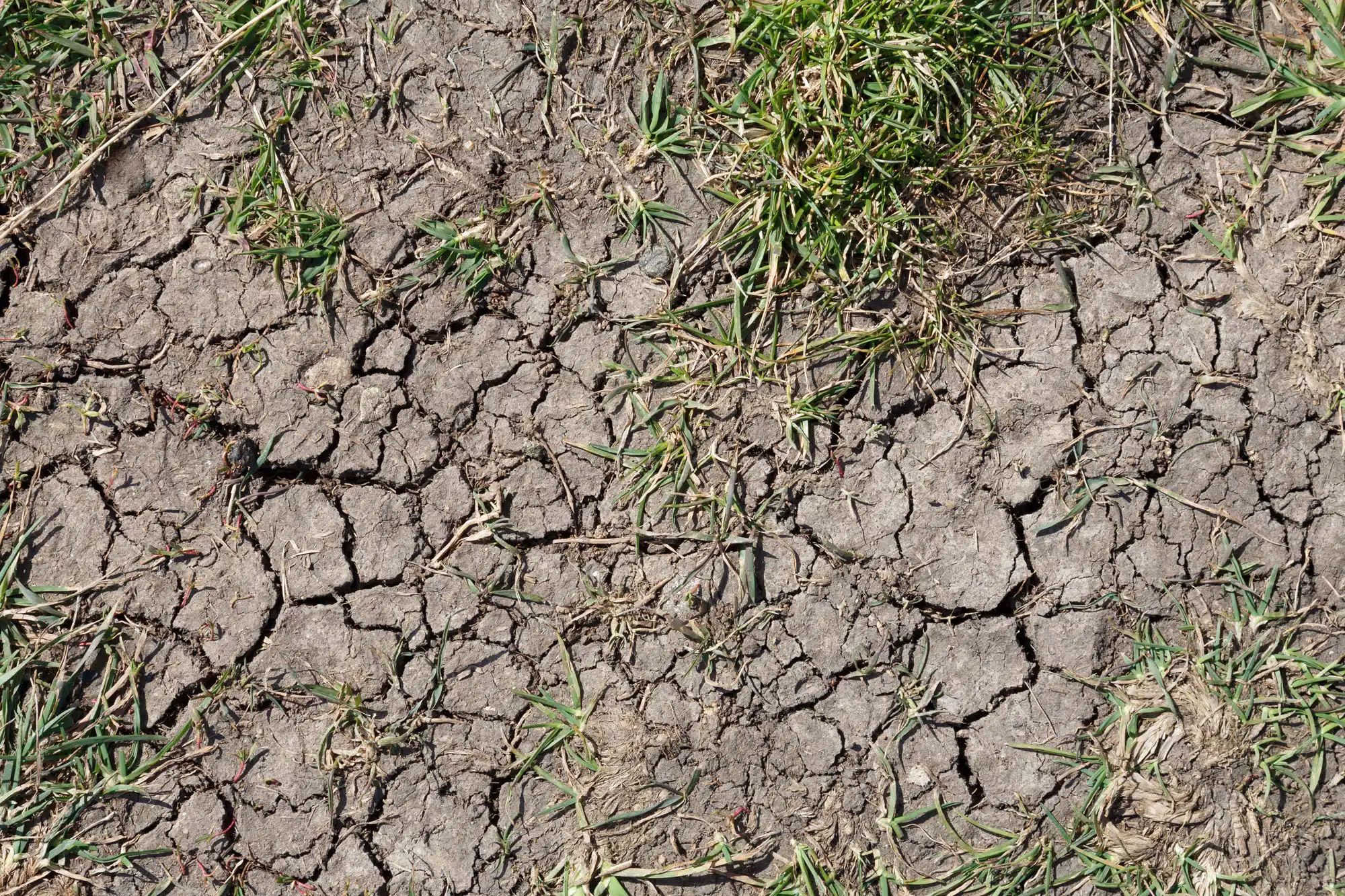
The primary reason why grass does not germinate is errors made during lawn establishment. Firstly, the ground must be properly prepared by digging it to a depth of about 20 centimetres, then removing stones, weeds, rubble, and all elements that may disrupt the growth of the blades. You should also ensure that the soil is sufficiently permeable, nutrient-rich, and has the correct pH level. How to check this? You can carry out a soil test yourself or take a sample to a Regional Chemical-Agricultural Station.
When sowing seeds, it matters not only where, but also what and how we sow. An incorrectly selected or old grass seed mix may simply fail to emerge! Delicate lawn varieties may not perform well in dry areas with high sun exposure.

Sports Lawn Seed Mix – Pro Performance – Mr. Green Grass®
£29,95
Self-Repairing Lawn Seed Mix – Patch Repair – Mr. Green Grass®
£24,95
All-Purpose Lawn Seed Mix – Green Oasis – Mr. Green Grass®
£24,95You must also remember the correct sowing technique. When establishing a lawn, you should use a spreader rather than sowing by hand. It is precisely the uneven distribution of seeds that is a frequent cause of bare patches or thin grass appearing on the lawn. It is also worth checking whether the layer of soil covering the seeds is not too thick (it should be about 1 centimetre).
Inappropriate conditions for germination can also be a reason why grass doesn’t grow. Seeds need constant moisture and the right temperature to grow. Therefore, do not rush too much with sowing seeds and wait until night-time temperatures reach 6-8°C. Furthermore, after establishing the lawn, do not forget about regular watering. Only then will you provide the seeds with the right conditions for development, so that the grass grows strong and healthy.
Too much shade
Sometimes the lawn is flawless in the central parts of the yard but looks worse under trees or by the north wall of the house. What is the cause? Grass blades need light to grow, which is why grass doesn’t grow in the shade. If we do not properly care for this area, it may be attacked by moss. We have two solutions to choose from. Firstly, we can decide to sow a special shade-tolerant grass variety under the trees, based on specific grass species. Properly sown, it should grow quickly and permanently cover the shaded area.
Another solution for a lawn in the shade is the appropriate management of this area. Many people choose to mulch the ground around shading shrubs with bark instead of sowing grass there. However, if you prefer to plant green plants, you can opt for decorative, shade-loving plants instead of grass. Many of these are evergreen species that do not lose their leaves throughout the year. Furthermore, they do not require mowing or fertilising, only occasional pruning. The most popular plants for shade include common ivy, bergenia, common periwinkle, or garden fern.
Inappropriate watering
As previously mentioned, correct lawn watering after establishment is a key issue for the grass to grow properly. Usually, for the first 2-3 weeks, it should be watered once a day. Then this frequency decreases. An important issue is also how you water your plot: manually, using sprinklers, or an automatic irrigation system. If you need comprehensive information, check our article on lawn watering.
An old or well-rooted lawn should be watered twice a week, preferably in the morning. Wondering how many litres of water you need to water your lawn well? You can find out by carrying out our free Remote Lawn Analysis. In the process, you will receive a range of tips and recommendations regarding weeding, fertilising, and mowing.
Lack of fertilising and maintenance
The last, though equally important reason why grass doesn’t grow, may be inappropriate care or a complete lack of it. The key to making the lawn grow healthy and strong is providing it with the right amount of specific nutrients. Therefore, you should first identify the soil’s requirements and then apply appropriately balanced and comprehensive fertilisers. A properly conducted fertilisation cycle, based on four treatments a year, will certainly restore your lawn’s health and beautiful appearance. However, if you don’t want to worry about it, we can do it for you using our Lawn Care Programme.
Just as important as balanced nutrition is performing appropriate maintenance treatments on the lawn. The first of these is aeration, which aims to loosen the substrate and facilitate the roots’ access to water and minerals. Equally helpful is scarification, which involves loosening the thatch layer that blocks the blades’ access to light and oxygen, causing the grass not to grow. After these treatments, it is worth carrying out top dressing with sand, which improves the physical and chemical properties of the soil. You can handle this yourself or order professional lawn regeneration, which is based not only on those mentioned but also on other treatments.